
Mobile gaming has evolved from a casual pastime into a multi-billion-dollar global esport. With titles like Genshin Impact, Zenless Zone Zero, and Call of Duty: Mobile demanding raw desktop-class performance, your choice of hardware matters more than ever. Finding the absolute best gaming phone isn’t just about looking at a raw spec sheet anymore; it requires an understanding of how a device manages heat, maintains framerate stability, and preserves battery life under extreme loads.
If you are hunting for a powerhouse gaming phone that won’t throttle or drop frames mid-match, this definitive guide breaks down the top 10 options available today.
What Actually Makes a Phone Great for Gaming?
Before diving into the top models, it’s essential to understand the primary architectural pillars that elevate a standard smartphone into an elite gaming phone:
- Sustained Thermal Performance: The latest mobile processors are blazing fast, but they generate intense heat. Without a robust cooling mechanism, a device will thermal-throttle, cutting its processing speed to cool down, which results in devastating lag spikes.
- High Refresh Rate & Touch Sampling: A high refresh rate (such as 144Hz or 165Hz) ensures ultra-smooth visual transitions. Meanwhile, a high touch-sampling rate guarantees that your inputs are registered instantly.
- Massive Battery Capacity & Bypass Charging: High-end rendering drains power quickly. A top-tier gaming phone features a substantial battery and supports bypass charging—delivering power directly to the motherboard instead of the battery to drastically reduce heat generation while playing plugged in.
Top 10 Best Gaming Phones
1. REDMAGIC 11S Pro
The REDMAGIC 11S Pro stands at the absolute peak of dedicated mobile hardware. While traditional flagship devices rely exclusively on passive cooling sheets, this uncompromising gaming phone features an internal, active physical turbofan paired with the Reinforced AquaCore liquid cooling layout.
Driven by the top-binned Snapdragon 8 Elite Leading Edition processor, it handles heavy titles with flawlessly flat line framerates. Its brilliant 6.85-inch display uses under-screen camera technology, meaning there are no notches or punch-holes to obscure your field of view. Furthermore, it includes customizable 520Hz capacitive shoulder triggers, a 3.5mm headphone jack for zero-latency audio, and an astonishing 7,500mAh battery that keeps you playing for hours without a charger.gaming phone

2. ASUS ROG Phone 9 Pro
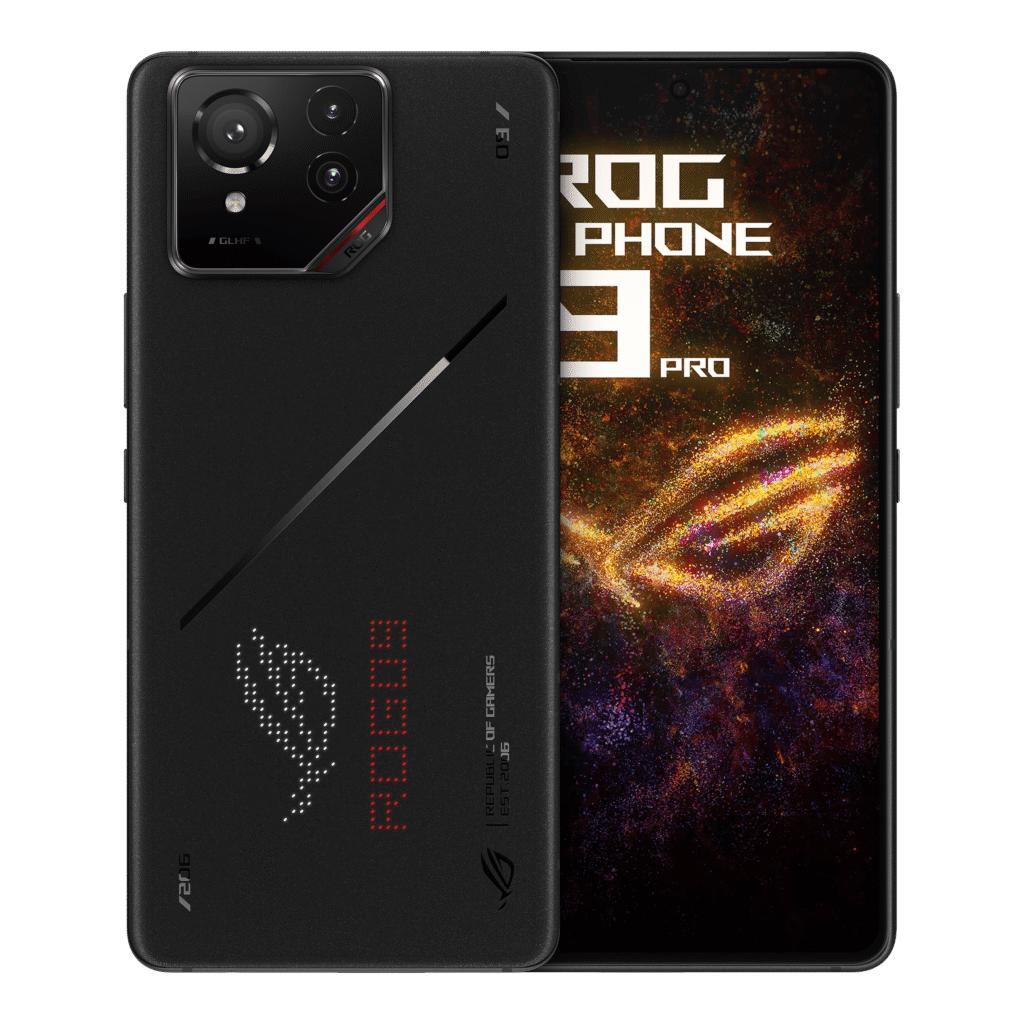
ASUS continues its legacy of premium mobile optimization with the ROG Phone 9 Pro. Outfitted with a display capable of an incredible 185Hz refresh rate, it delivers unmatched motion clarity during fast-paced competitive games.
The device features ASUS’s iconic AirTriggers, which utilize ultrasonic sensors along the frame to mimic console controller bumpers. While it requires the clip-on AeroActive Cooler accessory to match the built-in continuous cooling performance of the REDMAGIC, the ROG Phone 9 Pro stands out with its AniMe Vision LED matrix back panel, incredibly polished software tools, and a vastly superior camera system compared to typical niche competitive devices.gaming phone
3. Samsung Galaxy S26 Ultra
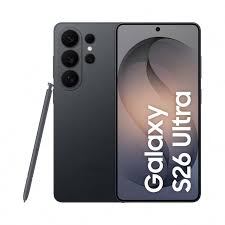
For users seeking an ultra-premium daily driver that doubles as an absolute powerhouse, the Samsung Galaxy S26 Ultra is a premier choice. It is powered by the tailored Snapdragon 8 Elite for Galaxy, yielding some of the highest raw benchmark scores ever recorded.
While it lacks hardware shoulder buttons and built-in active fans, its massive internal vapor chamber manages thermals beautifully during standard sessions. Beyond raw frames, you get a gorgeous 6.9-inch flat Dynamic AMOLED display with anti-reflective glass, an elite 200MP camera array, and the unique S-Pen, which is highly convenient gaming phone for real-time strategy or simulation games. It is a versatile smartphone that transitions seamlessly from a corporate boardroom to a high-stakes ranked match.
4. REDMAGIC 11 Air
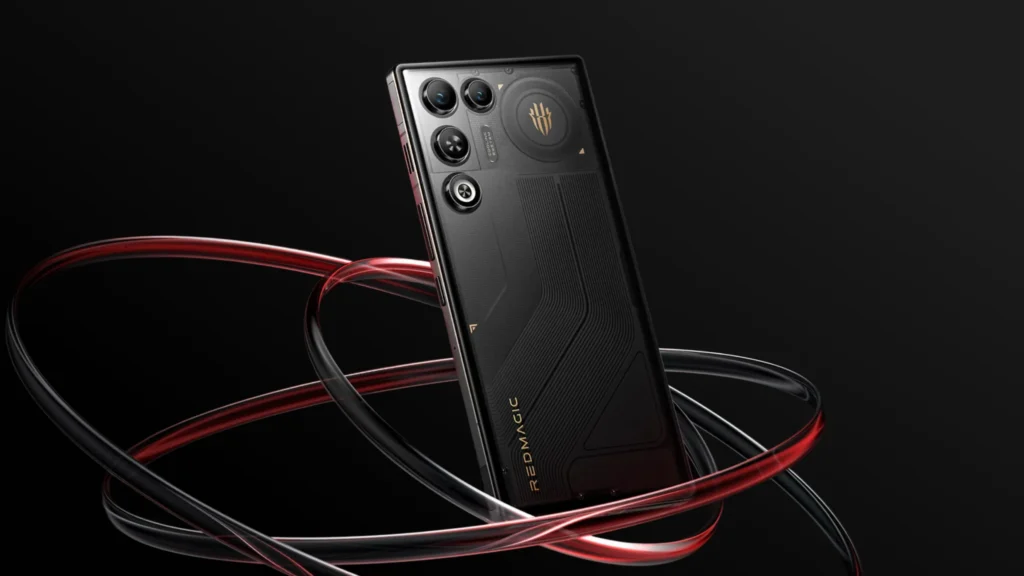
If you love the concept of an uncompromised mobile setup but dislike thick, heavy brick-like chassis designs, the REDMAGIC 11 Air gaming phone is engineered for you. It drops the physical moving fan components to achieve a remarkably lightweight, ultra-thin profile.
Despite its slimmed-down frame, this gaming phone still packs the full Snapdragon 8 Elite chipset and a generous 7,000mAh battery. It strips away luxury additions like wireless charging, but compensates by offering high-end performance benchmarks at a fraction of the cost of typical flagship alternatives.
5. Apple iPhone 17 Pro Max
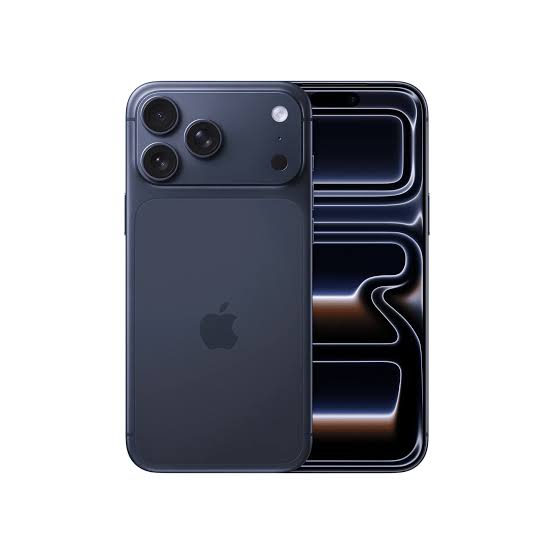
Apple’s iPhone 17 Pro Max is the ultimate ecosystem pick for mobile enthusiasts. Powered by the custom-engineered 3nm A19 Pro silicon, this device boasts hardware-accelerated ray tracing and unparalleled graphical optimization.
Developers prioritize the iOS platform, allowing the iPhone to run exclusive, full console-quality ports like Death Stranding and Resident Evil natively in gaming phone. Backed by a beautiful ProMotion 120Hz display and a durable titanium chassis, it delivers flawless gaming stability alongside a class-leading camera system and extensive software support cycle longevity.
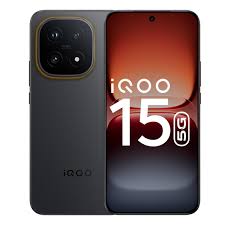
6. iQOO 15
The iQOO 15 is a high-performance option that bridges the gap between dedicated hardware and traditional mainstream designs. It utilizes the Snapdragon 8 Elite chip paired with a dedicated secondary graphics chip to handle real-time frame interpolation.
This allows the device to insert extra frames into demanding titles, transforming a native 60 FPS output into a visually smooth 144Hz experience without overtaxing the central processor. Coupled with an immersive, high-fidelity X-axis haptic motor and an incredibly competitive retail price, it represents a brilliant value proposition.
7. OnePlus 15
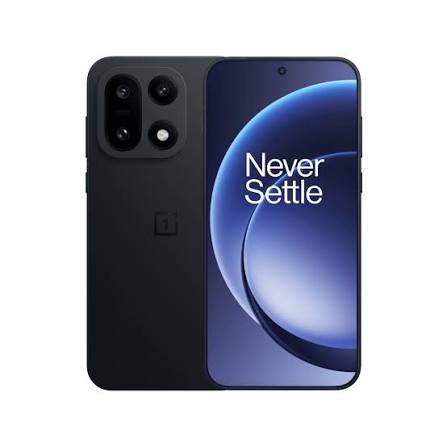
The OnePlus 15 offers a premium, fast, and smooth flagship experience with an aesthetic designed for mature gamers. It wraps the Snapdragon 8 Elite engine inside an elegant, stylish glass-and-metal exterior.
Through its integrated software suite, users can manually allocate maximum system resources to their favorite games, block incoming alerts, and fine-tune touch sensitivity settings. It also pairs excellent thermal efficiency with the brand’s iconic ultra-fast charging capabilities, allowing you to replenish your battery in just a few minutes.
8. Poco X8 Pro Max
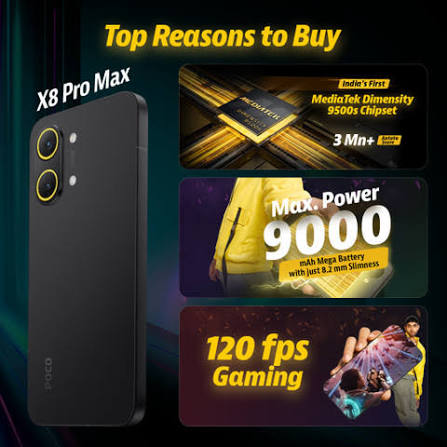
Xiaomi’s Poco X8 Pro Max is built for budget-conscious performance enthusiasts. It cuts corners on ultra-premium materials and camera secondary lenses to deliver a pure, affordable performance device.
The phone features a vibrant 6.67-inch display, dual stereo speakers, and highly robust internal passive cooling loops. If you want a daily device that handles high-fidelity open-world games without a premium brand markup, this entry belongs on your short-list.
9. OPPO K13 Turbo Pro
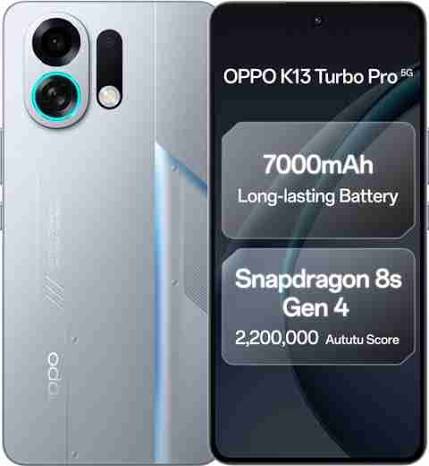
The OPPO K13 Turbo Pro stands out with its unique thermal architecture. Powered by the highly optimized Qualcomm Snapdragon 8s Gen 4 chipset, it delivers elite mid-range performance.
What makes it truly distinct in its price class is its specific design optimization for external cooling attachments. When paired with its dedicated cooling clip, it drops internal temperatures significantly during long, intense sessions, delivering remarkably stable framerates for a mid-range contender.
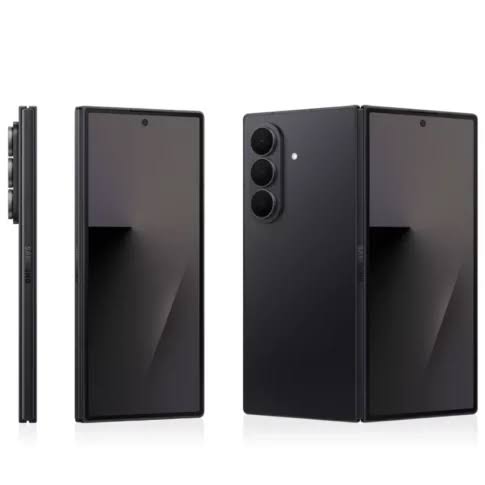
10. Samsung Galaxy Z Fold 7
The Samsung Galaxy Z Fold 7 is the ultimate luxury option for players who want maximum screen real estate. Unfolding the device reveals a massive, flexible internal display that functions essentially like a high-end mini tablet.
This square aspect ratio is fantastic for expansive strategy titles, detailed simulations, and retro-console emulation. Powered by elite Snapdragon silicon, it provides a cinematic, deeply immersive visual experience that a standard, rigid aspect ratio smartphone simply cannot replicate.
Conclusion
Choosing the definitive best gaming phone in 2026 comes down to aligning your budget with your specific cooling and software priorities. If you are a competitive player who demands maximum frame rates over long, multihour sessions, the REDMAGIC 11S Pro or ASUS ROG Phone 9 Pro are clear winners due to their active cooling designs and physical shoulder controls.
However, if you need an excellent all-around mobile device with superb cameras that can also handle intensive graphic workloads, premium mainstream flagships like the Samsung Galaxy S26 Ultra or iPhone 17 Pro Max provide an incredibly polished, versatile alternative. Identify what matters most to your playstyle, choose your device, and enjoy an elite portable experience.
Frequently Asked Questions (FAQs)
Q1: Do I really need a dedicated gaming phone, or is a normal flagship phone good enough?
A normal flagship phone has plenty of raw processing power, but it is built with passive, closed cooling. This means it will quickly heat up and throttle its performance during extended sessions. A dedicated gaming phone features built-in fans or specialized cooling paths to maintain maximum framerates without lagging.
Q2: What is bypass charging, and why is it important?
Bypass charging allows the phone’s charging cable to send power directly to the system hardware rather than routing it through the battery. Because charging a lithium-ion battery under load generates immense heat, bypass charging keeps the device much cooler and drastically extends your battery’s long-term health.
Q3: Are the cameras good on a dedicated gaming phone?
Generally, cameras are the main trade-off when buying a dedicated performance device. Manufacturers allocate their hardware budgets toward internal fans, larger batteries, and triggers rather than expensive multi-lens camera setups. If camera quality is a high priority for you, a mainstream flagship like the Samsung Ultra or an iPhone is a better fit.
Q4: Is a higher screen refresh rate important for mobile games?
Yes, but it depends on the games you play. High refresh rates (like 144Hz or 185Hz) make fast-paced competitive shooters and racing games look incredibly fluid. However, ensure the specific titles you enjoy actually support high-framerate output, as many casual games are locked by developers at 60 FPS.