
Our skin is a living, breathing canvas. As our body’s largest organ, it acts both as a protective barrier against the outside world and a highly porous sponge. Every lotion, serum, and oil we apply doesn’t just sit on the surface; a significant portion gets absorbed directly into our bloodstream. Yet, for decades, conventional beauty standards have led us to flood our skin with synthetic chemicals, artificial fragrances, and harsh preservatives in the pursuit of instant results.
Fortunately, a paradigm shift is underway. Millions of people are turning away from lab-synthesized shortcuts and looking toward the Earth. The answer to radiant, resilient, and ageless skin isn’t found in a test tube—it lives in the soil, the seeds, and the botanical wonders of the natural world.
If you are on the fence about auditing your vanity, here is a deep dive into the profound healing benefits of nature and 5 undeniable reasons why making the switch to organic skincare products is the ultimate investment in your health and beauty.
The Toxic Reality of Conventional Skincare
Before exploring the virtues of nature, we must understand what we are replacing. A walk down the beauty aisle of any major department store reveals thousands of beautifully packaged items promising to erase wrinkles, banish acne, or brighten complexions overnight. However, a peek at the ingredient list often tells a different story.
Conventional beauty products are frequently loaded with endocrine disruptors, carcinogens, and skin irritants. Ingredients like parabens (used as preservatives), phthalates (used to help plastics flex and fragrances last), and sodium lauryl sulfate (a harsh foaming agent) are ubiquitous. While they might give a product a long shelf life or an luxurious lather, they strip the skin of its natural lipid barrier, leading to chronic inflammation, premature aging, and long-term systemic toxicity.
When you choose organic skincare products, you are choosing to break free from this chemical dependency. Organic formulation honors the skin’s natural biology, providing nourishment that works with your body, not against it.
1. Packed with Nutrient-Dense, Pure Ingredients
The most compelling reason to invest in organic skincare products is the sheer quality and density of the nutrients they provide. Think of conventional skincare as fast food for your face—it might fill a temporary void or provide a superficial effect, but it lacks genuine nutritional value. Organic skincare, by contrast, is a gourmet, nutrient-dense meal.
The Power of Bioavailability
Plants grown organically are cultivated without the use of synthetic pesticides, herbicides, or genetically modified organisms (GMOs). Because they grow in rich, unpolluted soil and must develop their own defense mechanisms against pests and harsh weather, organically grown plants naturally produce significantly higher levels of antioxidants—up to 60% more than non-organic crops.
These antioxidants, vitamins, and essential fatty acids are highly bioavailable. This means their molecular structure closely matches the oils and compounds naturally produced by human skin, allowing them to penetrate deeply and heal at a cellular level.
Botanical Superstars
When you open a bottle of certified organic skincare products, you are tapping into centuries of botanical wisdom.
- Organic Rosehip Oil: Bursting with vitamins A and C, it drives cellular turnover and fades hyperpigmentation.
- Organic Aloe Vera: Offers deep, enzyme-rich hydration that cools inflammation on contact.
- Organic Jojoba Oil: Mimics human sebum so perfectly that it tricks oily skin into balancing its own oil production.
By investing in these pure extractions, you give your skin the raw materials it needs to repair, regenerate, and thrive.

2. Free from Harsh, Irritating Synthetics
If you suffer from sensitive skin, eczema, rosacea, or adult acne, your skincare routine might actually be the culprit behind your flare-ups. Synthetic ingredients are notoriously volatile. Artificial fragrances—often listed under the generic term “parfum”—can contain hundreds of hidden chemical compounds known to trigger contact dermatitis and respiratory issues.
Gentle Yet Exceptionally Effective
A common misconception is that natural ingredients are too weak to handle tough skin issues. In reality, the opposite is true. Synthetic ingredients often provide a aggressive, sledgehammer approach to issues like acne or aging, drying out the skin and destroying its microbiome to fix a temporary problem.
High-quality organic skincare products work gently to restore equilibrium. Instead of using synthetic salicylic acid that leaves your skin peeling and raw, an organic serum might utilize white willow bark extract. This natural alternative clears pores and reduces redness without decimating the skin’s moisture barrier. By eliminating artificial fillers, silicones, and dyes, you dramatically lower the risk of allergic reactions and chronic irritation. Your skin stops fighting the products you apply and finally gets a chance to breathe and heal.
3. Better for Your Long-Term, Systemic Health
What goes on your body eventually goes in your body. It takes less than a minute for topically applied chemicals to find their way into your bloodstream. When we use conventional products day in and day out, we subject our bodies to “chemical stacking”—the accumulation of low-dose toxins over years of daily exposure.
Protecting Your Endocrine System
Many synthetic preservatives, especially parabens (methylparaben, propylparaben, etc.), are known xenoestrogens. This means they mimic estrogen in the human body, binding to hormone receptors and disrupting the delicate balance of your endocrine system. Over time, endocrine disruption can manifest as thyroid imbalances, reproductive issues, and increased risks of certain hormone-driven health conditions.
Investing in organic skincare products is a conscious choice to protect your systemic health. When you apply an organic cream, you can rest easy knowing that every molecule entering your bloodstream is recognized by your body as a clean, usable nutrient. It is an investment that transcends cosmetics; it is a fundamental commitment to preventative wellness.
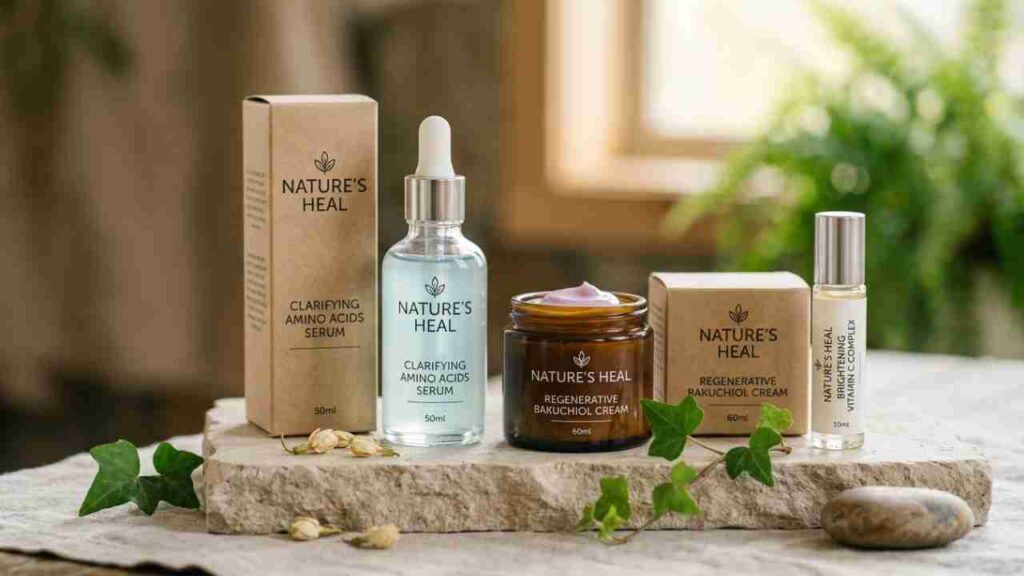
4. Environmental Stewardship and True Sustainability
True beauty cannot be built on the destruction of the planet. The environmental footprint of conventional beauty is devastating, spanning from the petroleum-derived oils used in manufacturing to the toxic runoff that poisons our waterways.
When you purchase organic skincare products, your investment stretches far beyond your vanity mirror. It directly supports sustainable agriculture and ecological preservation.
Healing the Soil and Saving the Bees
Organic farming practices reject toxic chemical pesticides and fertilizers. This keeps the soil fertile and alive, safeguards local water tables from poisonous runoff, and protects vital pollinators like bees and butterflies from ecological collapse. Furthermore, brands that specialize in organic skincare products almost universally champion ethical sourcing, cruelty-free testing, and biodegradable, recyclable packaging. By choosing organic, you ensure your beauty ritual contributes to a cleaner, greener planet.
5. Age-Defying Results Rooted in Science
There is a outdated myth that natural skincare is purely experiential—that it smells nice and feels relaxing, but can’t compete with synthetic anti-aging formulas. Modern green chemistry has utterly debunked this idea.
The longevity of your skin relies on protecting its collagen matrix and combating oxidative stress caused by UV rays and pollution. Synthetics try to mimic this by paralyzing muscles or artificially plumping cells, whereas premium organic skincare products trigger the skin’s intrinsic repair mechanisms.
When you feed your cells clean, active, organic nutrients, you achieve a vibrant, lit-from-within glow that synthetic creams simply cannot replicate. It is a sustainable, timeless radiance built on optimal skin health.
How to Avoid “Greenwashing” and Choose Authentic Products
As the demand for natural beauty skyrockets, many mainstream companies engage in a deceptive marketing practice known as “greenwashing.” They place images of leaves on their packaging, use words like “clean,” “natural,” or “botical,” yet fill the actual bottle with cheap synthetics and a fraction of a percent of plant extract.
To ensure you are buying genuine organic skincare products, ignore the marketing buzzwords on the front of the bottle and flip it over to check the back. Look for reputable, independent organic certifications such as USDA Organic, COSMOS Organic, or ECOCERT.
| Certification Label | What It Guarantees |
| USDA Organic | At least 95% of ingredients are certified organic; completely free of synthetic additives. |
| COSMOS / ECOCERT | Strict global standards requiring sustainable sourcing, biodegradable packaging, and a minimum of 95% plant-based ingredients. |
Additionally, check the ingredient list (INCI). The ingredients are listed in order of concentration. You want to see recognizable botanical names, plant hydrosols, or organic oils right at the top of the list, rather than water mixed with synthetic silicones and alcohols.
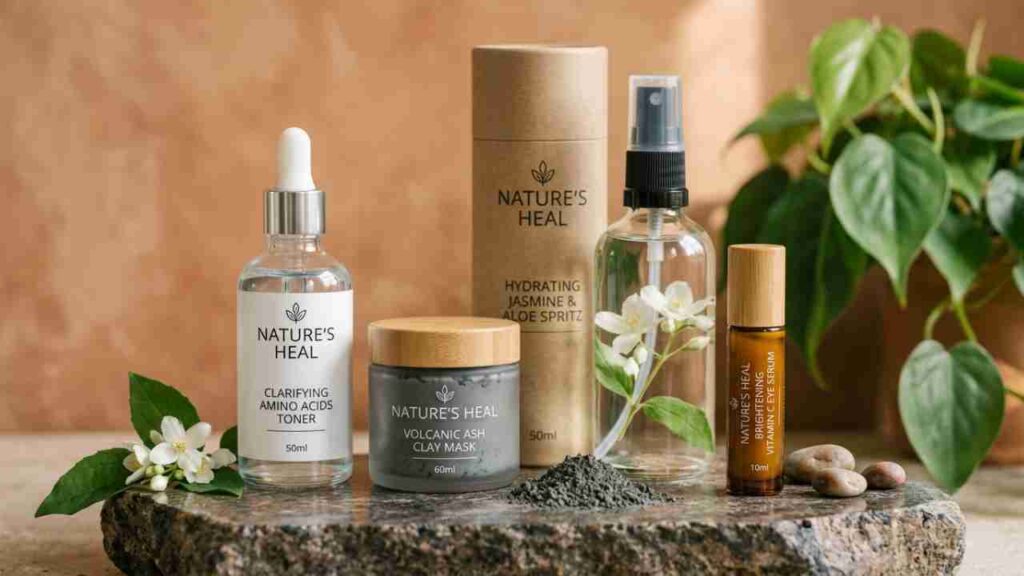
Embracing Your Conscious Beauty Ritual
Transitioning to organic skincare products is more than just swapping out a cleanser; it is an act of radical self-care. It represents a mindful choice to slow down, listen to your body, and honor the rhythms of nature.
As you replace synthetic formulas with clean, earth-born alternatives, view your morning and evening routines not as a chore, but as a healing ritual. Take a moment to appreciate the natural scents of essential oils, the rich textures of unrefined plant butters, and the knowledge that you are nourishing your body with the purest ingredients the Earth has to offer. Your skin will reward your investment with unmatched vitality, resilience, and a beautiful, healthy glow for decades to come.
Frequently Asked Questions
Do organic skincare products expire faster than conventional ones?
Yes, they typically do, and that is actually a good thing! Conventional products contain harsh parabens and synthetic preservatives that allow them to sit on a store shelf for years, which can be toxic to your skin. Genuine organic skincare products utilize natural preservation systems—such as vitamin E (tocopherol), rosemary extract, and leuconostoc/radish root ferment filtrate. While this means they generally have a shelf life of 6 to 12 months after opening, it guarantees you are applying fresh, active, and non-toxic nutrients to your skin.
Can organic skincare products effectively treat severe acne?
Absolutely. Severe acne is an inflammatory condition often aggravated by the harsh, stripping sulfates and drying alcohols found in conventional acne treatments. When the skin is stripped, it panics and produces even more oil, worsening the breakout cycle. Organic skincare products utilize anti-inflammatory and antibacterial botanicals like organic tea tree oil, blue tansy, white willow bark, and witch hazel. These ingredients target acne-causing bacteria and calm inflamed breakouts while supporting your skin’s natural moisture barrier, healing acne gently without causing scarring or excessive dryness.
Why are some organic skincare products more expensive than drugstore brands?
The price of high-quality organic skincare products reflects the purity of their sourcing and manufacturing. Growing crops without synthetic chemicals requires intensive manual labor, ethical farming practices, and smaller batch yields. Furthermore, organic brands do not dilute their formulas with cheap synthetic fillers, petroleum byproducts, or bulk water. When you buy organic, you are paying for high concentrations of raw, active ingredients, meaning a small amount goes a long way and delivers superior results.
Is “natural” the same as “organic” when it comes to skincare?
No, they are quite different. The word “natural” is not legally regulated in the cosmetics industry; any brand can use it even if their product contains only 1% plant matter alongside 99% synthetic chemicals. “Organic,” however, is strictly regulated. Certified organic skincare products must pass rigorous third-party testing to prove their ingredients were grown without toxic pesticides, chemical fertilizers, or GMOs, ensuring the highest standards of safety and purity.