
If you are reading this, chances are you are ready to align your beauty routine with your values. You want to ensure that your love for makeup does not contribute to the suffering of animals. Transitioning to a cruelty-free lifestyle is one of the most impactful, compassionate choices a consumer can make.
However, walking down the makeup aisle as a conscious consumer can be incredibly confusing. The beauty industry is notorious for marketing jargon, fine-print loopholes, and misleading packaging. You might see a cute bunny logo on a bottle, only to discover later that the brand sells its products in markets where animal testing is legally mandated.
Don’t let the complexity deter you. Transitioning your makeup collection doesn’t have to happen overnight, nor does it require throwing away hundreds of dollars of perfectly usable products. This comprehensive, beginner-friendly guide will demystify the industry, provide you with an actionable plan, and help you confidently build a beautiful, completely cruelty-free makeup routine.
Part 1: Defining the Core Concepts
To successfully transition your vanity, you first need to understand the terminology. The beauty industry frequently uses buzzwords to appeal to conscious shoppers, but these words carry very specific legal and ethical distinctions.
What Does “Cruelty-Free” Actually Mean?
In the simplest terms, a cruelty-free product means that neither the final product nor any of its individual ingredients were tested on animals at any stage of development, production, or manufacturing.
For a company to truly claim it is cruelty-free, it must meet four strict parameters:
- No Ingredient Testing: The company does not test raw materials or ingredients on animals.
- No Formulation Testing: The company does not test the mixed, final product on animals.
- No Third-Party Testing: The company does not hire independent laboratories or external contractors to perform animal testing on their behalf.
- No Mandatory Regulatory Testing: The company does not allow its products to be tested on animals by foreign government agencies to comply with local safety laws.
The Critical Difference: Cruelty-Free vs. Vegan
One of the most common mistakes beginners make is assuming that “vegan” and “cruelty-free” mean the exact same thing. They do not, though they frequently overlap.
- Cruelty-Free: Focuses entirely on the process. It guarantees that no animal testing occurred during production. However, a cruelty-free lipstick can still contain animal-derived ingredients, such as beeswax (for texture), carmine (a red pigment made from crushed bugs), or lanolin (sheep’s wool alcohols).
- Vegan: Focuses entirely on the ingredients. A vegan product contains absolutely no animal products, animal bi-products, or animal-derived ingredients. Surprisingly, a vegan product is not guaranteed to be free from animal testing unless it explicitly carries a certified testing ban label as well.
As a beginner, decide what your primary goal is. If your immediate focus is ending animal testing, look for verified cruelty-free labels first, then check for vegan formulas if that aligns with your evolving values.
Part 2: The Dark Art of “Greenwashing” and Loopholes
Why is shopping for compassionate beauty so difficult? It all comes down to a marketing tactic known as “greenwashing.” This occurs when a company uses visual cues, vague language, or selective truths to make themselves appear more environmentally friendly or ethically sound than they actually are.
Vague Labeling Claims
Because cosmetics regulations are relatively lax in many parts of the world, companies can print phrases like “Against Animal Testing,” “Cruelty-Free Care,” or “This Product is Not Tested on Animals” on their packaging without facing legal penalties. These statements are often technically true for the final bottle sitting in your hand, but they completely hide the fact that the raw ingredients inside were heavily tested on animals by suppliers.
The Parent Company Dilemma
As you research, you will quickly run into a major ethical debate in the beauty community: brands that are certified cruelty-free but are owned by a non-cruelty-free corporate parent company.
For example, brands like NYX and Urban Decay are strictly certified against animal testing. However, their parent company is L’Oréal, a massive conglomerate that does engage in animal testing where required by law.
- The Case Against: Some consumers refuse to buy from these brands because a portion of the profits ultimately flows back to a parent company that tests on animals.
- The Case For: Other consumers choose to support these brands to show parent corporations that cruelty-free options are highly profitable, encouraging them to shift their broader corporate practices.
As a beginner, there is no wrong answer here. Choose the boundary that feels right for your budget, accessibility, and personal ethics.
Part 3: How to Spot Authentic Certifications
Since you cannot always trust the text written on a cosmetic label, how do you verify a brand? You rely on trusted, independent, third-party organizations that audit supply chains. There are three primary organizations whose logos carry weight globally.
1. The Leaping Bunny (Cruelty Free International)
This is universally recognized as the gold standard. Run by the Coalition for Consumer Information on Cosmetics (CCIC), the Leaping Bunny program requires companies to implement a supplier monitoring system, verify their entire supply chain for animal testing, and submit to regular, independent audits. If you see the official Leaping Bunny logo, you can trust with 100% certainty that the brand is fully cruelty-free.
2. PETA’s Beauty Without Bunnies
PETA maintains a massive database of companies that do not test on animals. To be included on PETA’s list, a brand’s CEO must sign a statement of assurance verifying that the company does not conduct, commission, or pay for any animal testing. While PETA’s verification process relies more on statements of assurance than mandatory independent audits like Leaping Bunny, it remains an excellent, highly accessible resource for consumers.
3. Choose Cruelty-Free (CCF) / Cruelty Free International Australia
An independent, non-profit organization based in Australia that merges with international efforts. They have exceptionally strict criteria, refusing to certify any brand that is owned by a parent company that tests on animals.
Part 4: The 4-Step Beginner’s Blueprint
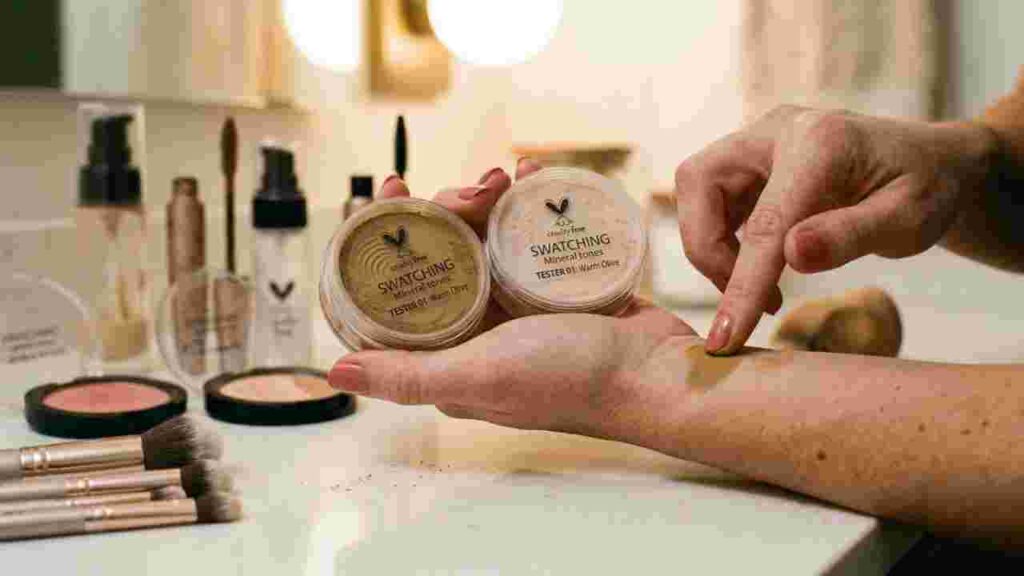
Transitioning your entire makeup collection can feel overwhelming if you try to replace everything at once. It can also cause immense product and financial waste. Instead, follow this systematic, stress-free four-phase blueprint to shift your routine naturally.
1.Embrace the No-Waste Mindset:Phase 1.
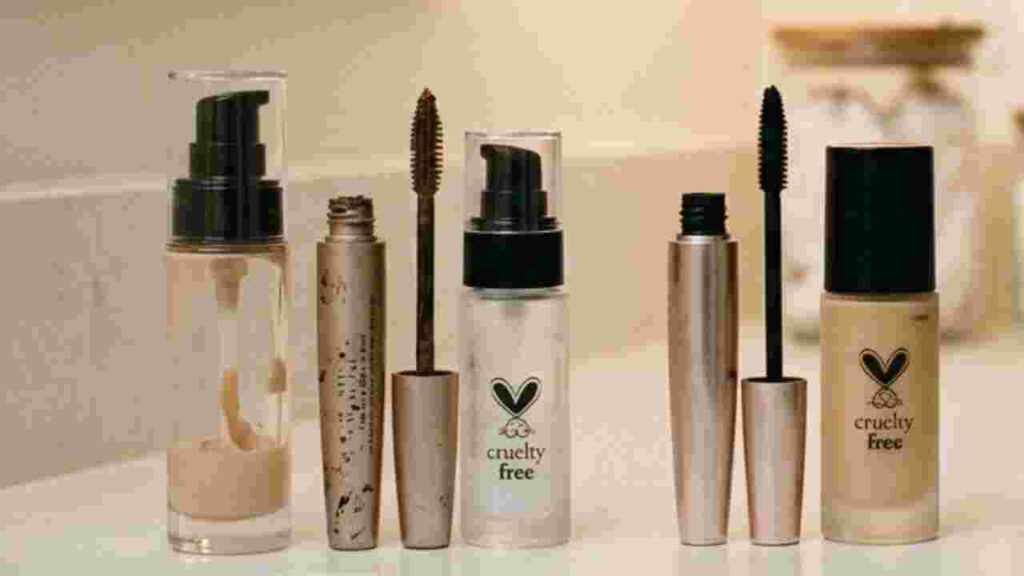
The most sustainable and ethical thing you can do right now is use up the makeup you already own. Throwing away a half-used bottle of non-cruelty-free foundation doesn’t save any animals—the product has already been paid for. Keep using your current collection until bottles hit their natural end. Use this time to research replacements.
2.Audit Your Collection and Track Expirations:Phase 2.
Take an inventory of your current makeup bag. Group items by category: face products, eye makeup, and lip products. Check the Period After Opening (PAO) symbol (a tiny open jar icon on the back of products showing a number like ’12M’ for 12 months) to see what is expiring soon. Highlight your daily staples—the items you cannot live without.
3.Research While You Reach the Empty Stage:Phase 3.
As your staple items get close to running out, look up ethical alternatives. Download dedicated shopping apps like Cruelty-Cutter or Bunny Free, or bookmark reputable blogs like Cruelty-Free Kitty and Logical Harmony. Find 2 or 3 alternatives for your favorite products so you have options when shopping.
4.The One-In, One-Out Replacement Rule:Phase 4.
When a non-cruelty-free product finally runs empty, replace it with one of your pre-researched options. If your favorite mascara dries out, buy a verified cruelty-free mascara. By swapping your products out individually as they empty, your collection will naturally transition over a few months without breaking your budget.
Part 5: Practical Tips for a Smooth Transition
As you navigate your new shopping habits, keep these practical tips in mind to avoid common beginner frustrations:
- Don’t Strive for Instant Perfection: It is completely okay if you accidentally buy a product that isn’t fully certified, or if you discover later that a brand changed its testing policy. Ethical consumerism is about progress, not absolute perfection. Do the best you can with the information you have.
- Beware of Travel Sizes: When testing a new cruelty-free brand, buy the travel size or mini version first. This allows you to test the formula, shade match, and wear-time on your skin without committing to the price of a full-sized product.
- Check the Brushes: Makeup brushes are an often-overlooked part of a beauty routine. Traditional makeup brushes are made from animal hair (like squirrel, mink, goat, or pony). Ensure your new tools are made of high-quality synthetic fibers, which are inherently cruelty-free, easier to clean, and less prone to trapping bacteria.
Conclusion
Switching to cruelty-free makeup brands is a profoundly powerful way to use your purchasing power to make a positive impact on the world. By refusing to support companies that continue to rely on outdated, inhumane testing practices, you are helping drive the entire beauty industry toward a more compassionate, technologically advanced future.
Remember that this process is a journey, not a race. You do not need to purge your vanity overnight or feel guilty about the non-cruelty-free items you bought in the past. Focus on making deliberate, informed choices moving forward. By implementing the one-in, one-out replacement rule, utilizing verification databases, and supporting certified brands, you will easily build a stunning makeup collection that makes you look good—and feel even better.
FAQs (Frequently Asked Questions)
1. Can a brand be cruelty-free if it sells its products in mainland China?
The laws surrounding cosmetic sales in China have historically required mandatory post-market and pre-market animal testing for foreign imported cosmetics. However, the regulatory landscape shifted significantly. Foreign cosmetic brands can bypass animal testing in China under specific conditions, such as manufacturing domestically within China or obtaining precise safety qualifications for general cosmetics. Because the laws remain complex, many strict cruelty-free consumers still avoid brands that sell in mainland retail stores until the loopholes are completely closed.
2. Is there a difference between a “natural” brand and a cruelty-free brand?
Yes, a massive difference. “Natural,” “organic,” and “clean” are marketing terms that describe the source and safety profile of the ingredients (e.g., plant extracts rather than synthetic chemicals). They have absolutely nothing to do with whether those ingredients were tested on animals. Always look for a bunny certification logo, even on fully organic products.
3. Are all drugstore makeup brands guilty of animal testing?
Absolutely not! The drugstore aisle has become one of the best places to find high-quality, affordable, ethical options. Brands like e.l.f., NYX, Milani, Wet n Wild, and CoverGirl are entirely cruelty-free and widely available at highly accessible price points.
4. What should I do with my old, non-cruelty-free makeup?
The most ethical approach is to use them up until they are completely empty. If you truly cannot bear the thought of using them, consider donating unopened, unexpired products to women’s shelters or passing lightly used products (that can be safely sanitized, like powder palettes) along to family members or friends. This keeps the items out of landfills and prevents those individuals from purchasing new, non-cruelty-free items themselves.
5. How can I tell if a brand’s bunny logo is real or fake?
Fake or self-made bunny logos are incredibly common. Authentic logos have specific designs. The Leaping Bunny features a clean, stylized rabbit outline with two small stars. PETA’s logo features a rabbit with pink ears or a modern, sleek pink-and-black silhouette. If the bunny looks like a generic cartoon or doesn’t name an organization underneath it, open a certified database app to verify the company manually.