
The global beauty landscape is undergoing a profound paradigm shift. Vanity, once synonymous with synthetic chemical cocktails and animal-derived formulas, is being completely redefined by the purity and potency of the natural world. Modern consumers no longer view ethical consumption and high-performance luxury as mutually exclusive. Instead, they demand sophisticated skincare and makeup formulations that protect both their physical well-being and the planet. This evolution has placed Vegan Cosmetics Ingredients at the absolute epicenter of clean beauty innovation, proving that the modern vanity can be both exquisitely luxurious and fiercely compassionate.
For decades, the cosmetics industry relied heavily on traditional animal products—such as carmine from crushed beetles for red pigment, collagen from animal connective tissues for anti-aging, and tallow from animal fat for moisture. However, sophisticated biotechnology and advanced cold-pressing extraction methods have unlocked green alternatives that outperform their traditional predecessors. Today, plant-derived ingredients offer bio-available vitamins, dense fatty acids, and potent antioxidants that sync perfectly with the skin’s cellular matrix. Exploring these natural botanical elements reveals why they are superior alternatives for conscious personal care routines.
The Structural Foundations: Vegan Emollients and Moisture Barriers
A flawless cosmetic formulation relies heavily on its base emulsion. Emollients and skin-identical lipids prevent transepidermal water loss (TEWL), smooth the skin structure, and ensure effortless makeup application. In traditional cosmetics, squalene is often harvested from shark liver oil—a practice destructive to marine ecosystems.Vegan Cosmetics Ingredients The clean beauty industry has revolutionized this through plant-based alternatives.
1. Plant-Derived Squalane
Derived primarily from olives, sugarcane, or Spanish amaranth, plant-based squalane is a hydrogenated, exceptionally stable version of squalene. Squalene naturally occurs within human sebum, making this plant-derived alternative highly biocompatible. It absorbs rapidly without leaving a greasy residue, seals in moisture, minimizes fine lines, and functions as an excellent non-comedogenic carrier oil for liquid foundations and serum-infused highlighters. Its integration demonstrates how sustainable sourcing can match human biology perfectly.
2. Organic Shea Butter and Murumuru Butter
Solid plant-based lipids act as the texturizers and deep hydrators of the beauty world. Harvested from the nuts of the African Shea tree, raw shea butter provides an abundance of vitamins A and E along with essential fatty acids. For lightweight, high-gloss applications, Amazonian Murumuru butter serves as an exceptional alternative. Boasting a rich lauric and oleic acid profile, it seals moisture into compromised skin and provides the creamy melting texture required for high-end vegan lipsticks and hydrating primers without relying on beeswax or petroleum jellies.
The Youth Preservers: High-Performance Plant Antioxidants
Anti-aging formulations have historically leaned on chemical compounds or animal-sourced proteins like elastin. However, the botanical kingdom offers a treasure trove of cellular protection capable of neutralizing environmental stressors, pollution, and ultraviolet radiation damage.
3. Bakuchiol: The Retinol Alternative
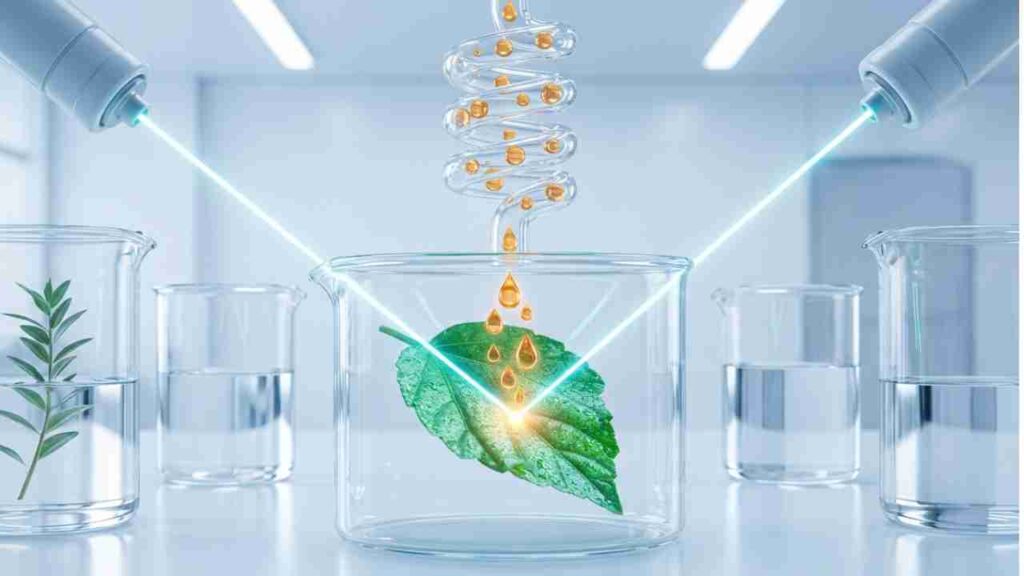
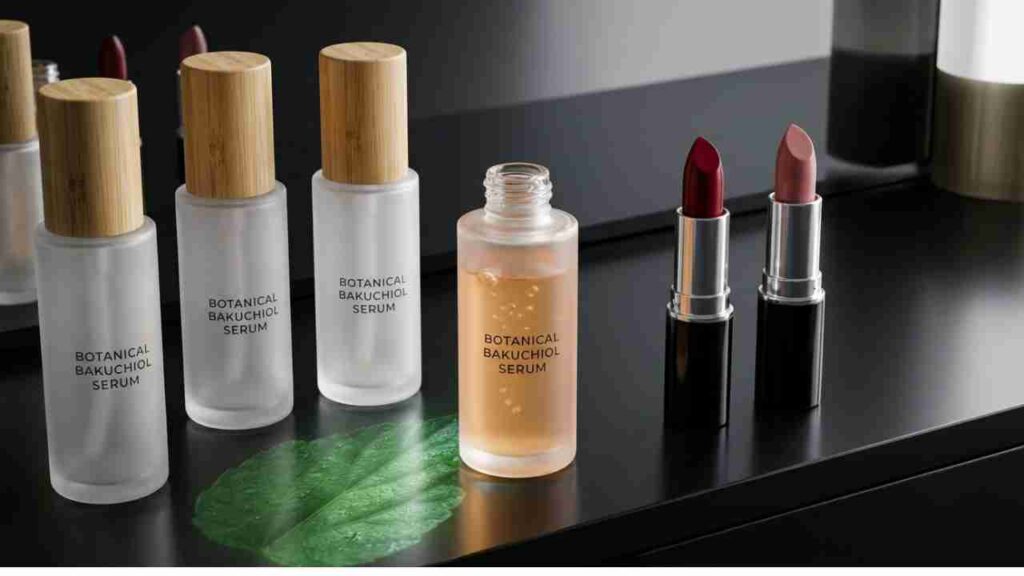
Retinol (Vitamin A) is a classic anti-aging standard, but it frequently triggers redness, peeling, and extreme sun sensitivity. Furthermore, certain retinoids can be sourced from animal liver. Enter Bakuchiol, an elegant phytochemical extracted from the seeds and leaves of the Psoralea corylifolia (Babchi) plant. Bakuchiol targets the exact same genetic pathways as retinol to stimulate collagen production and accelerate cellular turnover. Crucially, it achieves these structural anti-aging results without causing irritation or dermal inflammation, making it a highly prized asset in overnight corrective oils and restorative under-eye elixirs.Vegan Cosmetics Ingredients
4. Resveratrol and Green Tea Polyphenols
Sourced from the skins of red grapes and knots of Japanese knotweed, resveratrol is a polyphenolic powerhouse that neutralizes free radicals on a cellular level. When paired alongside Epigallocatechin Gallate (EGCG) from green tea extracts, these ingredients soothe inflammation, minimize redness, and prevent the degradation of healthy collagen. They are ideal for environmental defense mists, lightweight daily moisturizers, and protective color-correcting CC creams.
The Hydration Vectors: Plant Humectants and Plumping Agents
Achieving a luminous, plump skin appearance requires drawing deep hydration into the stratum corneum. While hyaluronic acid was historically isolated from rooster combs, modern clean cosmetics utilize fermentation and botanical polysaccharides to achieve identical, hyper-pure hydrating results.
5. Botanical Hyaluronic Acid (Senna Seed Polysaccharides)
Modern clean formulations utilize a natural, cruelty-free extraction process using the seeds of the Cassia angustifolia plant. These botanical polysaccharides mimic the moisture-binding properties of traditional hyaluronic acid, forming a breathable protective film over the epidermis.Vegan Cosmetics Ingredients This structure attracts environmental moisture directly to the skin surface, filling fine lines, smoothing rough texture, and giving liquid foundations a plump, dewy base.
6. Organic Aloe Vera Barbadensis Juice
Water is frequently used as a simple filler ingredient in cosmetics. Premium plant-based brands replace plain water with pure Aloe Vera juice. Rich in mucopolysaccharides, minerals, and amino acids, aloe vera forms a soothing, bio-active liquid base that calms inflamed skin, minimizes irritation, and hydrates deeply. It serves as an optimal base for oil-free primers, setting sprays, and mineral makeup powders.
A Comparative Overview of Botanical Raw Materials
| Traditional Animal Ingredient | Premium Plant-Based Substitute | Primary Benefit & Application |
| Shark Squalene | Olive or Sugarcane Squalane | Biocompatible hydration, silky makeup slip, non-comedogenic oil bases. |
| Beeswax (Cera Alba) | Candelilla & Carnauba Waxes | Provides structural integrity, firm glide, and staying power in lip balms and mascaras. |
| Animal Collagen | Hydrolyzed Rice & Soy Proteins | Supplies essential amino acids, enhances surface plumping, and strengthens skin elasticity. |
| Carmine (Cochineal) | Beetroot Juice & Iron Oxides | Delivers vibrant, rich, and non-toxic red and pink hues for blushes and lip stains. |
Color and Texture Artists: Cruelty-Free Pigments and Structural Bases
Color cosmetics demand vibrant pigmentation, perfect blendability, and long-lasting wear. Historically, achieving deep red hues or smooth, adhesive powders involved animal cruelty or toxic mineral heavy metals. Plant-based solutions have completely revolutionized this segment.Vegan Cosmetics Ingredients
7. Candelilla and Carnauba Waxes
The structural rigidity required for stick products like lipsticks, eyeliners, and concealers is traditionally provided by beeswax. Plant alternatives include Candelilla wax, harvested from the leaves of the North American shrub Euphorbia antisyphilitica, and Carnauba wax, sourced from the Brazilian palm Copernicia prunifera. Carnauba provides a high-gloss finish and exceptional thermal stability, preventing lipsticks from melting in warm climates, while Candelilla offers a smooth, creamy glide that prevents cosmetic dragging on delicate skin.Vegan Cosmetics Ingredients
8. Natural Iron Oxides and Fruit Pigments
To eliminate carmine and toxic synthetic dyes, modern laboratories utilize natural iron oxides combined with concentrated fruit and vegetable pigments. Extracts derived from organic beetroot, pomegranate, black carrots, and micronized cocoa powder deliver exceptionally rich color palettes. Vegan Cosmetics IngredientsThese botanical color bases provide vibrant shades for lip stains, cream blushes, and eyeshadows while infusing the skin with beneficial micronutrients and vitamins.
The Clean Preservation Revolution
A major challenge in shifting to green formulations is ensuring product safety and stability without relying on harsh parabens or animal-tested chemical preservatives. The plant kingdom provides innovative solutions for stability, shelf life, and microbial control.
9. Rosemary Leaf Extract and Vitamin E (Tocopherol)
Natural oils and botanical butters are susceptible to oxidation, which can cause products to spoil and go rancid. Natural Tocopherol (Vitamin E) sourced from sunflower seeds, paired with oil-soluble Rosemary leaf extract (Rosmarinus officinalis), serves as a potent natural antioxidant preservation system. They actively stop lipid oxidation, maintaining color integrity, aroma, and product freshness in oil-based cosmetic creams and waterless formulations.Vegan Cosmetics Ingredients
10. Leuconostoc/Radish Root Ferment Filtrate
Derived by fermenting radish roots with the lactic acid bacteria Leuconostoc kimchii, this natural peptide alternative serves as a broad-spectrum antimicrobial agent. It replaces traditional synthetic preservatives, keeping water-rich formulations like toners, serums, and liquid foundations entirely free from mold, yeast, and bacterial contamination without irritating sensitive skin types.
Why the Global Transition to Botanical Chemistry Matters
The consumer push toward botanical alternatives is driven by a deep understanding of dermal health. Synthetic fillers and animal byproducts often contain pesticide residues, hormones, or heavy manufacturing solvents that disrupt the skin barrier, block pores, and cause contact dermatitis. Conversely, choosing clean formulations supports long-term skin health.Vegan Cosmetics Ingredients Plant extracts contain complex chemical structures that provide multiple benefits simultaneously—a single botanical extract can soothe inflammation, fight bacteria, and boost hydration all at once.
Furthermore, this shift creates global ecological benefits. Sourcing sustainable botanical oils and extracts supports rural agricultural communities and biodiverse farming practices worldwide.Vegan Cosmetics Ingredients It reduces the beauty industry’s reliance on intensive animal farming and petrochemical refining, lowering carbon footprints and helping consumers align their personal care routines with environmental stewardship.
Conclusion: The Future of Sovereign Vanity
The transition from synthetic and animal-derived cosmetic formulas to pure, performance-driven plant extracts marks a true evolution in personal care. Utilizing advanced Vegan Cosmetics Ingredients ensures consumers no longer have to compromise on product safety, pigment payoff, or luxurious textures. By choosing high-performance ingredients like plant-derived squalane, bakuchiol, and fruit pigments, modern formulations outperform traditional synthetic alternatives while respecting the natural world.
True luxury lies in choosing products that nourish your health, honor animal life, and protect global ecosystems. Elevating your daily beauty rituals with clean, plant-derived formulations allows you to transform your vanity into a conscious celebration of health, vitality, and ethical luxury.
Frequently Asked Questions (FAQs)
1. What exactly qualifies as a vegan cosmetic ingredient?
A cosmetic ingredient is certified vegan when it is completely free from any animal-derived elements, byproducts, or processing aids. It must be sourced entirely from plants, minerals, or safe laboratory fermentation, and produced without any form of animal testing.
2. Is plant-derived squalane as effective as shark-derived squalene?
Yes, plant-derived squalane is highly effective and offers better formulation stability. Shark-derived squalene oxidizes rapidly and spoils quickly. Hydrogenating olive or sugarcane squalene into squalane creates a stable, odorless, and deeply hydrating oil that matches the skin’s natural moisture perfectly.
3. How do vegan lipsticks maintain their shape without using traditional beeswax?
Vegan lipsticks utilize natural plant waxes like Candelilla and Carnauba. Carnauba wax provides structural firmness and a high melting point, preventing the stick from breaking or melting, while Candelilla ensures a smooth, non-sticky application.
4. Can plant-based alternatives deliver anti-aging results comparable to retinol?
Absolutely. Bakuchiol is a proven botanical alternative that achieves identical anti-aging results. Clinical studies show it successfully boosts collagen production and fades hyperpigmentation without causing the irritation, peeling, or sun sensitivity linked to synthetic retinoids.
5. Are natural plant-based pigments vibrant enough for high-end color cosmetics?
Yes, modern extraction techniques yield intensely vibrant pigments from iron oxides, beetroot, pomegranate, and elderberry. These natural color bases provide rich, buildable shades for lip stains, blushes, and eyeshadows while delivering antioxidants directly to the skin.
6. How do water-based vegan cosmetics stay fresh without synthetic preservatives?
Clean formulations utilize natural antimicrobial agents like Radish Root Ferment Filtrate, along with antioxidant blends of Vitamin E and Rosemary Extract. These botanical systems prevent microbial growth and ingredient oxidation effectively, providing a safe shelf life without using parabens.